Article: Why Scent Feels Emotional: The Link Between Aroma, Memory, and Mood
Why Scent Feels Emotional: The Link Between Aroma, Memory, and Mood
How scent can become connected to memory, mood, and daily care.
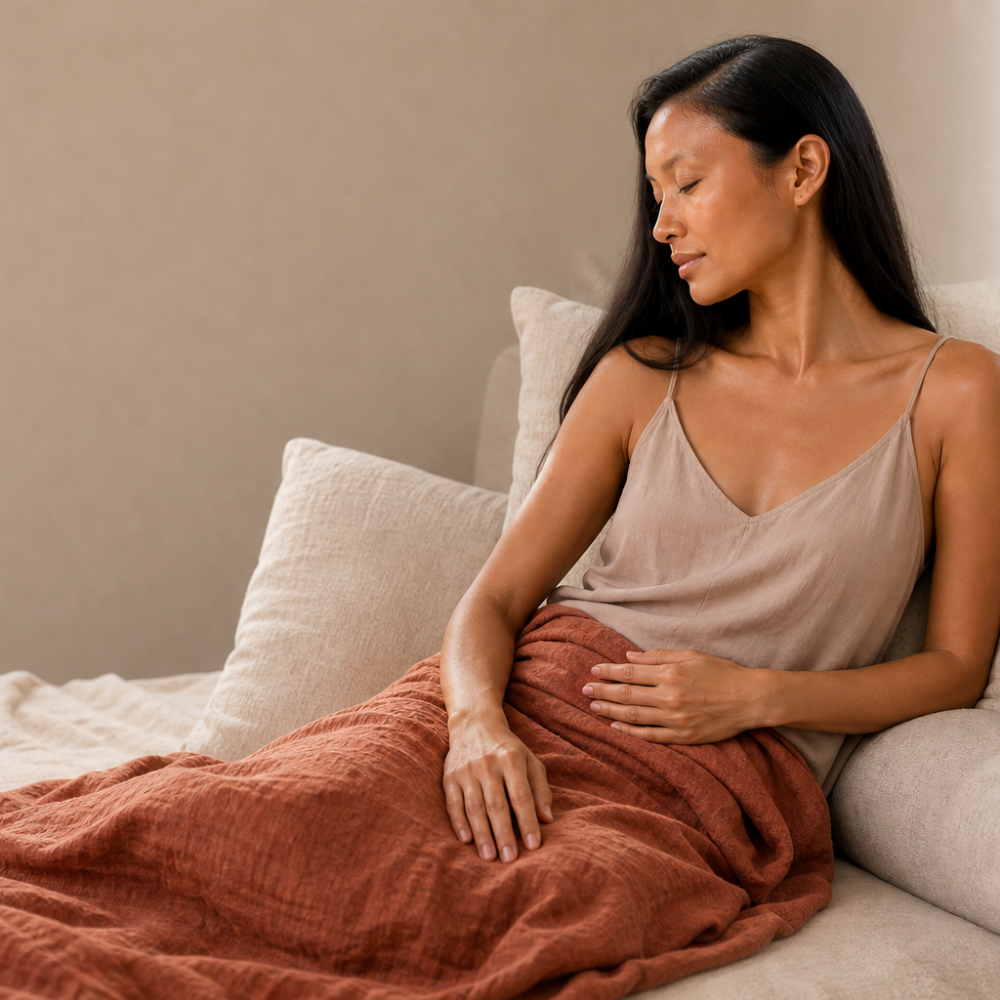
A scent can feel personal before we understand why.
It can remind us of a place, a person, a season, or a specific time in life. It may feel comforting, energising, familiar, or grounding.
This is one reason scent has a place in daily care.
Scent does more than make a product smell pleasant. It can become linked to memory, routine, and the way we mark a moment in the day.
Why this matters in October
World Mental Health Day is observed on October 10. Its purpose is to raise awareness of mental health and encourage more support, care, and open conversation around it. [1]
At Beauty in Us, we see care through the connection between skin, body, senses, and mind.
This is not medical advice. A scent ritual is not a treatment for mental health concerns. It is not a replacement for professional support when support is needed.
But as part of everyday body care, scent can help create a short pause in the day. That pause can support a more intentional way of caring for the body.
The link between aroma, memory, and mood
Scent often feels emotional because smell is closely connected to memory.
Research on odour-evoked memory has shown that smells can bring back autobiographical memories that feel vivid, emotional, and tied to a specific time or place. [2]
Part of this connection comes from how smell is processed in the brain. Olfactory information has close links with areas involved in emotion and memory, including the amygdala and hippocampus. This helps explain why scent can feel immediate and personal. [4]
One aroma may remind someone of a home, a person, a morning routine, or a specific period in life.
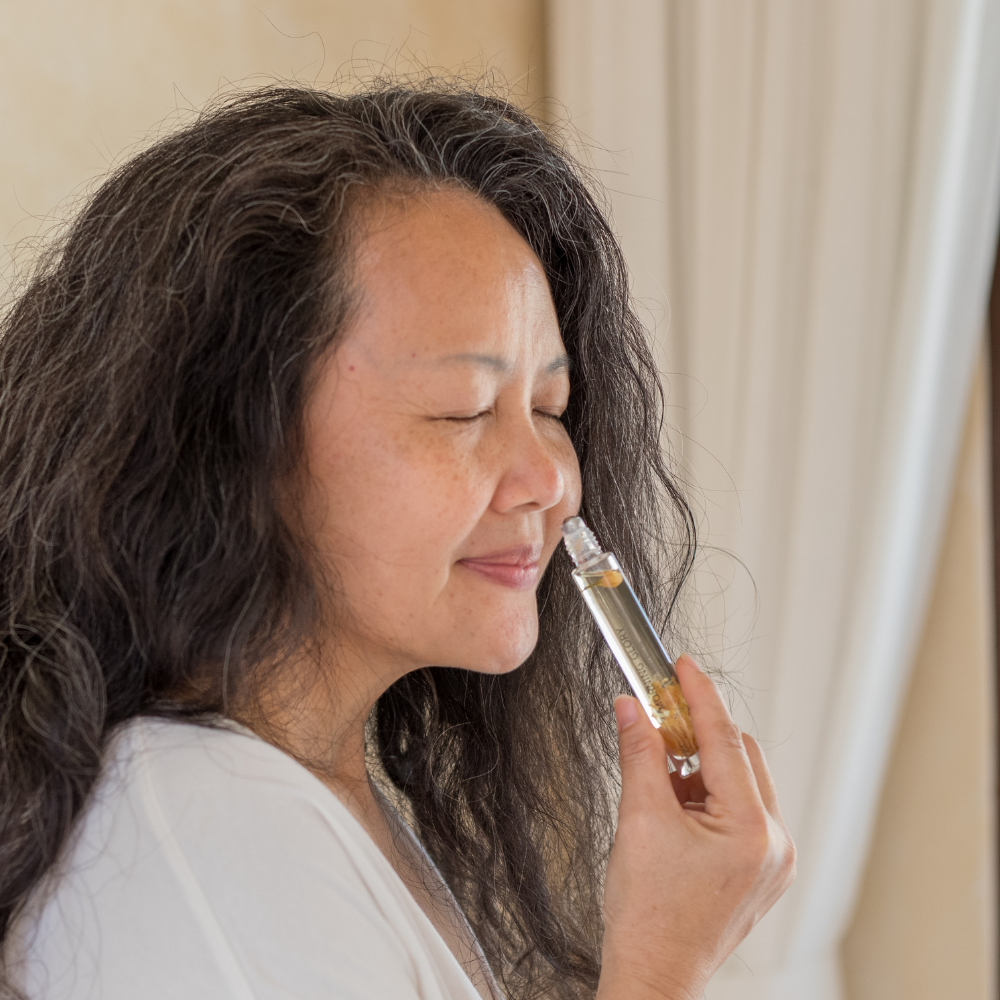
Scent does not need to feel intense to be meaningful. A familiar aroma can simply help mark a moment. It can signal that it is time to slow down, prepare, rest, or feel more present.
How repetition turns scent into ritual
A scent becomes more recognisable when it is repeated.
When the same aroma is used after a shower, before going out, before sleep, or during body oiling, it can become associated with that moment.
Over time, scent can become a cue for how a woman wants to start, shift, or close the day.
This is why ritual does not need to be complicated. It can be a few minutes of applying oil with attention. It can be breathing in the scent before the day begins. It can be choosing the same aroma when the body needs a more grounded routine.
The value is not in doing more.
The value is in repeating one small act with consistency.
Why scent feels different when paired with touch
Scent can feel more personal when it is applied through body oil because it sits close to the skin and becomes part of touch.
This makes the scent different from fragrance in the air.
A body oil brings together scent, skin contact, and repetition. These elements can help mark a specific moment of care without making the ritual complicated.
Touch can also make body care feel more direct. Modern research on interoception shows that noticing sensations from the body can play a role in emotional awareness and regulation. In body care, this awareness can begin with simple contact: hands meeting the skin, noticing texture, warmth, dryness, or sensitivity. [5]
This is why scent in a body oil can feel different from scent alone.
It is worn closer to the body. It is applied with the hands. It becomes part of a repeated care practice.
The scent story behind Allure
Allure was created for moments when a woman wants to feel radiant, confident, and connected to herself.
Its floral-earthy scent brings together Bulgarian rose, geranium, patchouli, and cedarwood.
Bulgarian rose gives the blend its soft floral opening. It feels full without becoming overpowering.
Geranium adds a green floral brightness that keeps the scent fresh.
Patchouli brings warmth and depth.
Cedarwood gives the blend structure and a dry, grounded finish.
Together, these notes create a scent that feels sensual, steady, and present.
Allure belongs to the ovulatory phase in The Four Weeks Flow™ Collection, a phase often associated with more expression, confidence, and outward energy. The scent was designed to support that ritual moment without overwhelming the skin or the senses.
The role of scent in daily care
Scent cannot fix what needs real care, support, or treatment. It should never be spoken about that way.
But scent can become part of how a woman cares for herself each day.
It can connect to memory. It can help mark a moment of pause. It can make body care feel more consistent and intentional.
In daily care, scent can support a simple ritual when it is repeated, worn close to the skin, and paired with touch.
References
-
World Health Organization. “World Mental Health Day.”
Observed on 10 October to raise awareness of mental health issues and mobilise support for mental health.
https://www.who.int/campaigns/world-mental-health-day -
Herz, R. S. “The Role of Odor-Evoked Memory in Psychological and Physiological Health.” Brain Sciences, 2016.
https://pmc.ncbi.nlm.nih.gov/articles/PMC5039451/ -
Mental Health Australia. “World Mental Health Day 2026.”
Theme: “Together we Thrive.”
https://www.mentalhealthaustralia.org.au/get-involved/world-mental-health-day-2026/ -
Kontaris, I., East, B. S., & Wilson, D. A. “Behavioral and Neurobiological Convergence of Odor, Mood and Emotion: A Review.” Frontiers in Behavioral Neuroscience, 2020.
https://pmc.ncbi.nlm.nih.gov/articles/PMC7076187/ -
Khalsa, S. S., et al. “Interoception and Mental Health: A Roadmap.” Biological Psychiatry: Cognitive Neuroscience and Neuroimaging, 2018.
https://pmc.ncbi.nlm.nih.gov/articles/PMC5985305/

Written by Ana Paula Maielo