Article: Self-Care, Before It Became a Word to Sell
Self-Care, Before It Became a Word to Sell
International Self-Care Day gives us a reason to return to what self-care was always meant to be.
The word is everywhere now, especially in beauty and wellness. It appears beside skincare routines, supplements, candles, morning rituals, evening rituals, and almost everything we are told will help us feel better.
The problem is not that self-care includes products. A cleanser, body oil, cup of tea, journal, walk, or evening ritual can all be part of care. The problem begins when self-care is reduced to consumption, performance, or another task added to an already full life.
Self-care does not lose meaning because people no longer understand it. It loses meaning when it becomes detached from what matters most: the body, its rhythms, and the natural cycles we are part of.
The World Health Organization defines self-care as the ability of individuals, families, and communities to promote health, prevent disease, maintain health, and cope with illness, with or without support from a health worker. In this definition, self-care is not a trend or a reward. It is an active relationship with wellbeing, shaped by awareness, daily choices, and the ability to respond to what the body needs over time. [1] [2]
A product can support self-care, but it cannot replace the relationship we build with the body.
A ritual can create consistency, but only when it stays connected to awareness. A routine becomes more meaningful when it responds to the body instead of asking the body to fit a fixed pattern.
This is where many routines lose their purpose. We may still be doing the steps, but stop asking the deeper questions: What is my body telling me today? Am I tired, dry, tense, restless, or overstimulated? Am I caring from awareness, or following another instruction about how I should look, feel, or improve?
When self-care becomes only something to purchase or complete, it can become another demand on the body instead of a way of returning to it.
Care Should Change When the Body Changes
The body does not stay the same every day. Energy, sleep, mood, skin, and emotional capacity can shift with day and night, the menstrual cycle, seasonal change, stress, perimenopause, menopause, and other life transitions.
Many women already know this in daily life. Some days the body feels clear, steady, and energised. Other days it feels tired, dry, sensitive, heavy, or less able to keep up. These shifts are not always signs that something is wrong. Often, they are signs that the body is responding to its internal and external environment.
Real self-care begins with attention, when we stop asking the body to be the same every day and listen to what it needs today.
This does not need to be complicated. It may mean noticing when the skin feels dry, when the body feels tired, when emotions feel heavier, or when sleep has changed, then adjusting care before discomfort becomes harder to ignore.
Respecting the body means allowing care to change. A morning routine may not need to look like an evening routine. Care during the menstrual phase may not need to look like care during ovulation. What supports the body in summer may not support it in winter, and what feels right in one life stage may need to change in another.
This is where consistency becomes different from repetition. Repetition says: do the same thing every day. Rhythm says: return to care, but let the care respond.
Returning to Cyclical Living
The body is part of nature, not separate from it. We live with light and dark, movement and rest, yet modern life often asks us to operate the same way every day.
We are asked to stay productive when we are tired, energised when we need rest, consistent when our bodies are changing, and available when the nervous system is asking for quiet.
This is why self-care cannot be only market-driven or automated. If it becomes only another instruction to follow, it misses the deeper invitation: to reconnect with the body and the natural cycles that shape us.
Research has linked nature exposure and nature connection with aspects of health and wellbeing, including mood, relaxation, and stress reduction. While findings vary, the research points to a clear connection between wellbeing and the environments we live within. [4]
Care becomes more meaningful when it works with the body, not against it.
Ritual as a Way Back
Ritual gives self-care a place in daily life. It turns care into something steady, familiar, and easier to return to, without making it another performance.
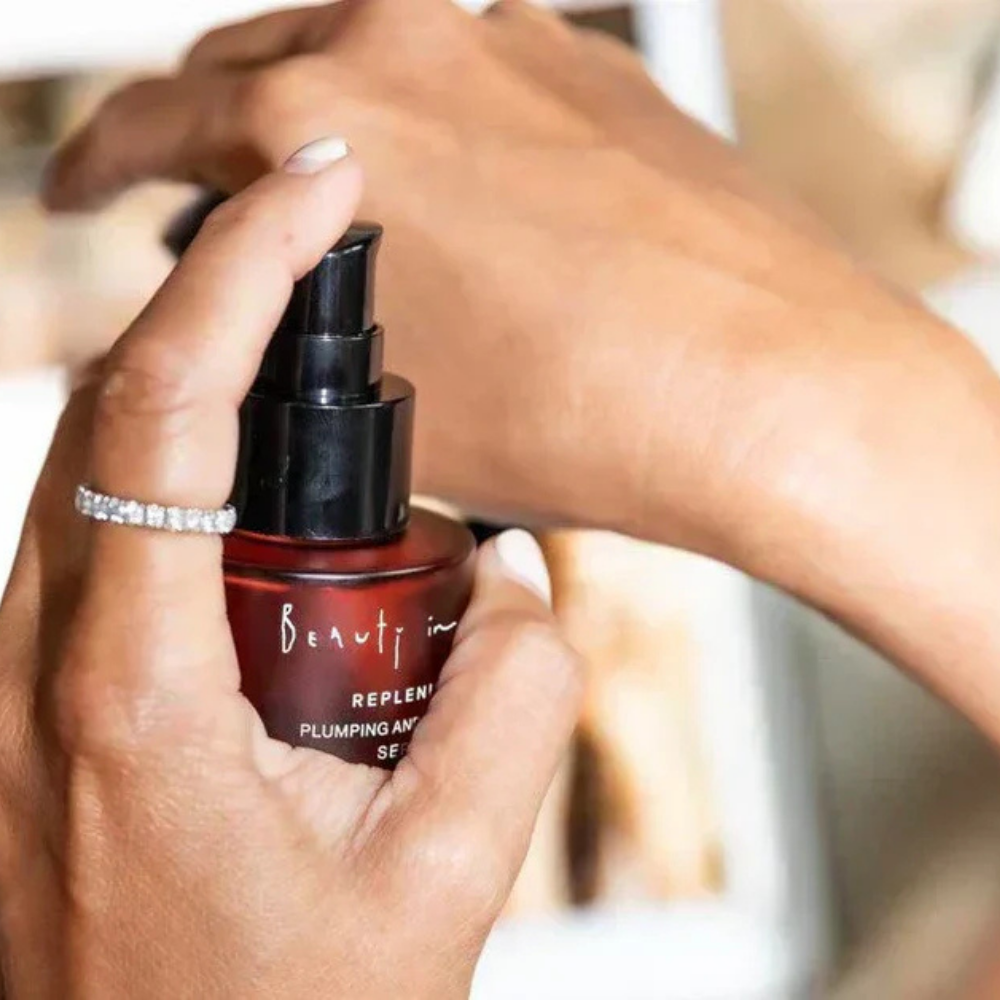
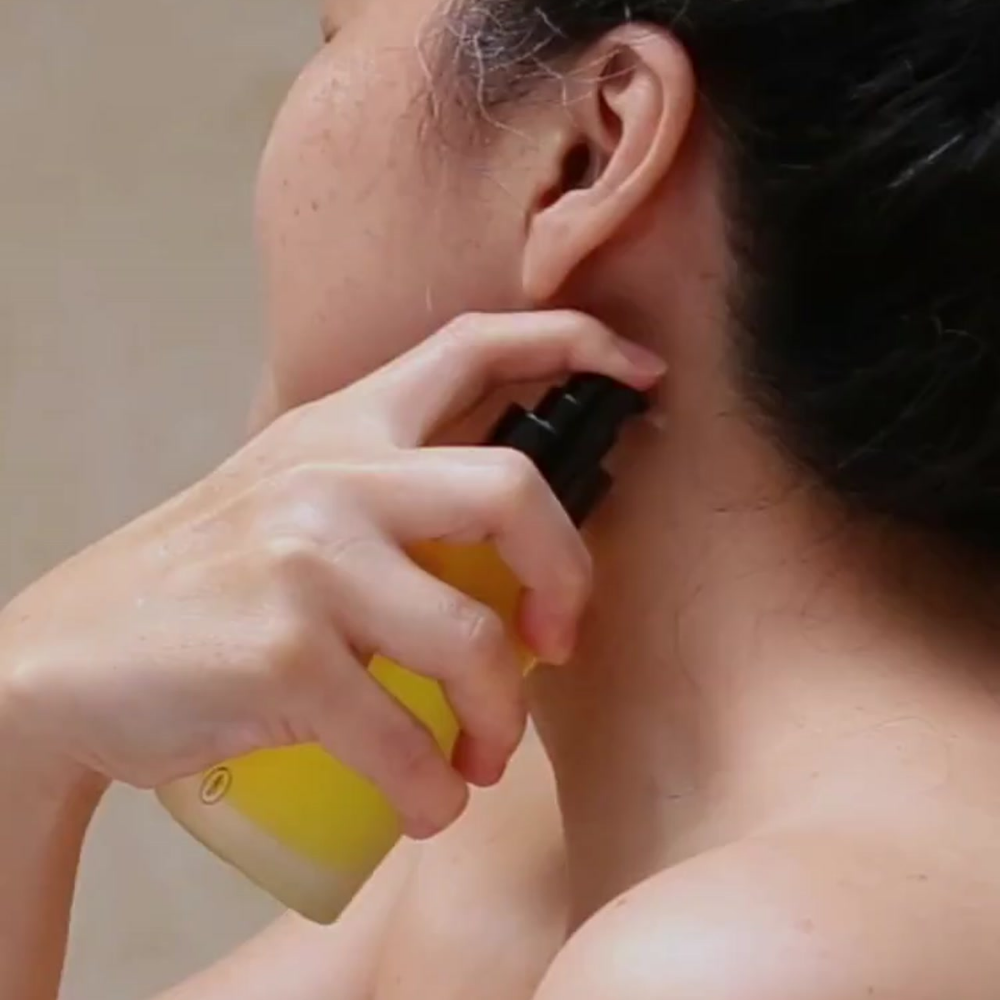
Body oiling is one way to make self-care more physical and consistent. Through touch, scent, texture, and time, it creates a simple pause to notice the skin and respond to areas that need attention. It asks the body a different kind of question: not “How do I fix you?” but “What do you need today?”
Topical plant oils have been studied for their role in supporting the skin barrier, moisturisation, and skin comfort, although effects vary depending on the oil and formulation. This supports the idea that body oiling can be both a skincare step and a simple way to practise daily body awareness. [5]
When done with attention, a body ritual becomes more than moisturising. It becomes a way to return to the body through the senses: the warmth of the hands, the texture of oil on skin, the rhythm of touch, and the quiet moment before the day begins or before the body rests.
A Body Ritual for Changing Rhythms
This thinking shaped the upcoming Body Ritual Collections.
They were developed to support care through different rhythms, from the monthly cycle to menopause and post-menopause.
Each blend was created to meet the body where it is, not ask it to stay the same.
As we prepare to introduce the collections this July, we return to the meaning of self-care: not a routine performed on the body, not another standard to meet, and not another thing to perfect, but a relationship with the body.
One that listens. One that adapts. One that respects the rhythms of the body and the natural cycles we are part of.
REFERENCES
- World Health Organization — Self-Care Month https://www.who.int/news-room/events/detail/2025/06/24/default-calendar/self-care-month-2025
- World Health Organization — Self-care for health and well-being https://www.who.int/health-topics/self-care
- Nguyen ML, et al. — Physiological Changes in Women’s Skin During the Menstrual Cycle https://pmc.ncbi.nlm.nih.gov/articles/PMC11703644/
- Jimenez MP, et al. — Associations between Nature Exposure and Health: A Review of the Evidence https://pmc.ncbi.nlm.nih.gov/articles/PMC8125471/
- Lin TK, et al. — Anti-Inflammatory and Skin Barrier Repair Effects of Topical Application of Some Plant Oils https://pmc.ncbi.nlm.nih.gov/articles/PMC5796020/

Written by Ana Paula Maielo Silva